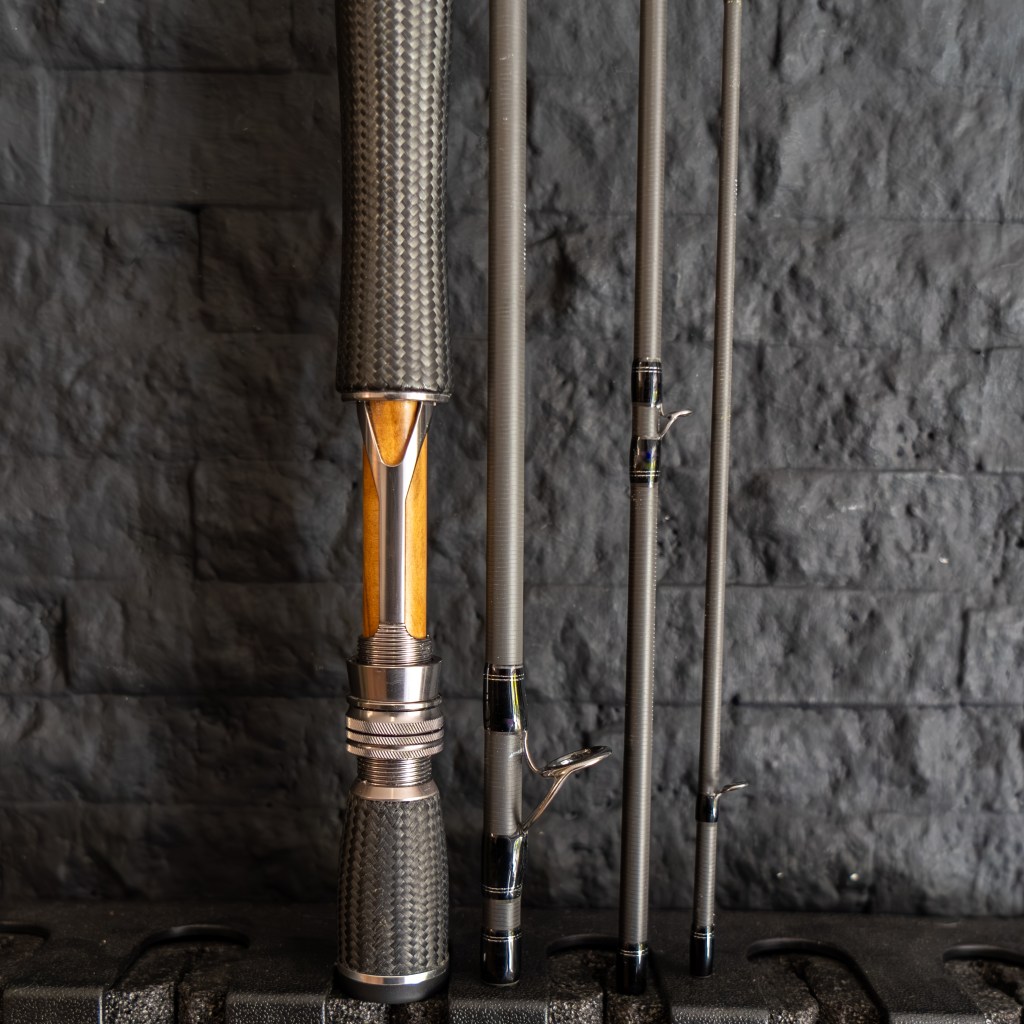
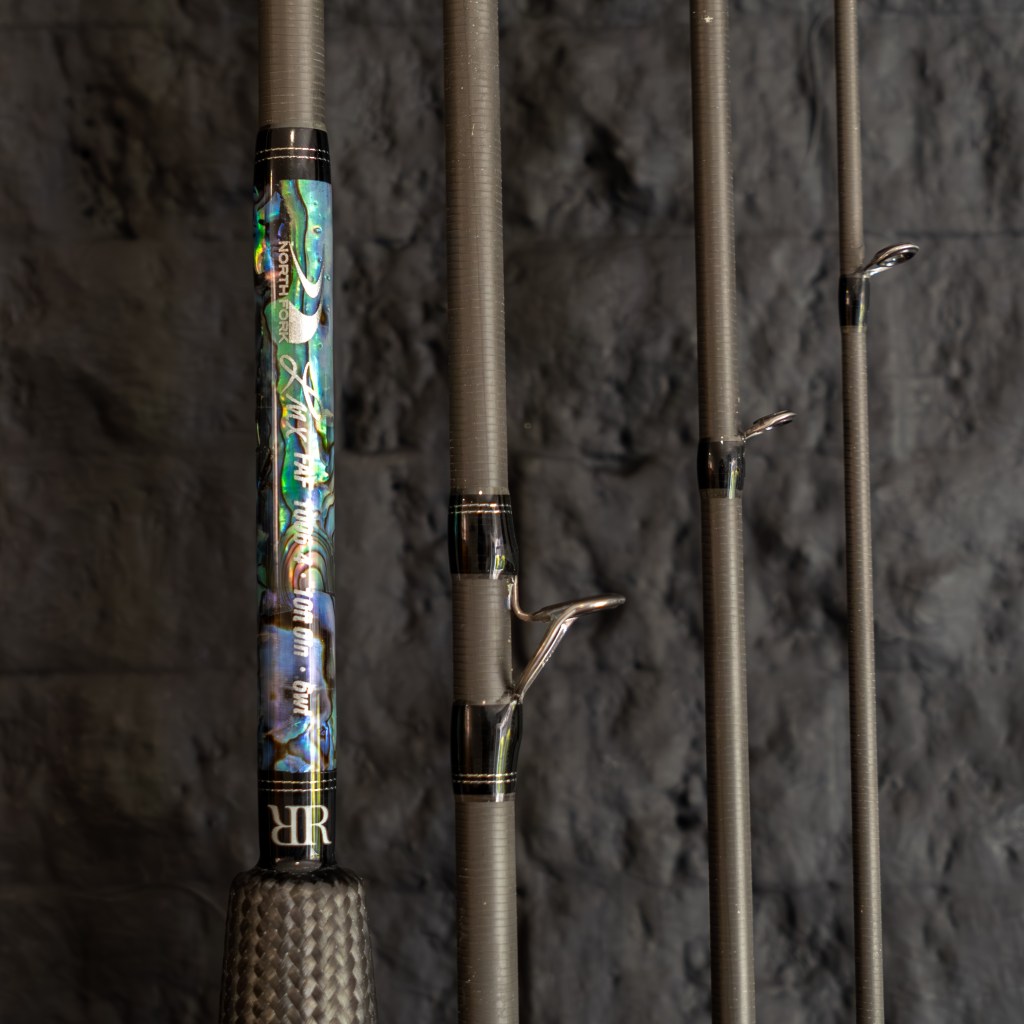
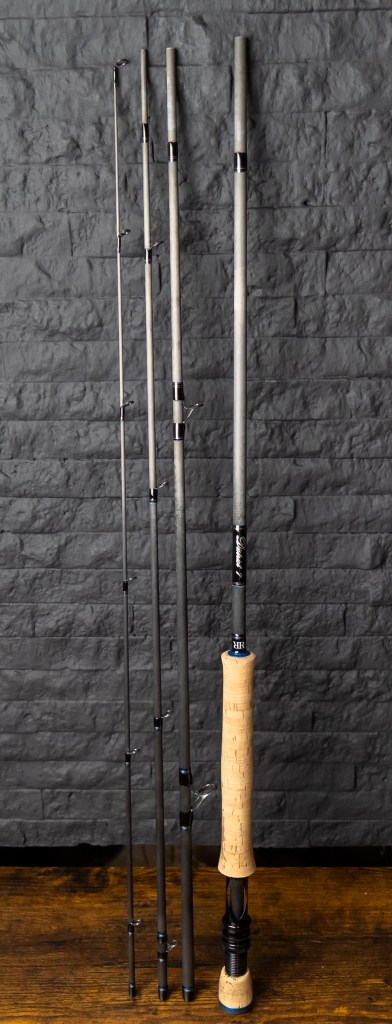
Fly rods come in a range of line weights, lengths, flex types and materials.
The right rod for the job really depends on your personal preferences, the fish you are targetting, the waters you are targetting them in and techniques used.
Fly rods come in a range of line weights, lengths, flex types and materials.
The right rod for the job really depends on your personal preferences, the fish you are targetting, the waters you are targetting them in and techniques used.
#0-4: The ultra light spectrum of line weights. Used for smaller fish and smaller waters. In this category you will mostly use dry fly presentations but also lighter nymphs. Euro nymph rods also fall in this category.
#5: The allround line weight for most types of trout fishing. Can handle larger size fish, small to bigger sized rivers and even some lake fishing. Dry fly, nymphing and smaller streamers can be used on this line weight.
#6-7: A very versatile line rating. Think of larger species like oversized trout, perch, zander and even some smaller salwater species. Can be used on bigger waters with larger flies and streamers. You are also getting in the switch rod territory
#8: The stepping stone line weight for larger species. Bonefish, seabass, mangrove and jungle fish but also pike and carp. Can throw most medium sized streamers, more dense sinking lines and have the power make long casts into heavy winds. Switch/spey rods are also avaible in this category.
#9-10: The heavy class. Used for big streamers, heavier sinking lines, bigger sized fish and spey rods. Big carp, big pike, most saltwater fish like permit, tarpon, jacks and little tuna’s.
#11-12: The extra heavy class. Now you are able to cast the largest flies out there, fish very deep with very heavy sinking lines, Target giant fish and heavy spey rods. Fishing for salmon, norway for pollack and cod, big tarpon, gt and tuna for example.
#13-15: For the biggest and baddest fish that swim. Large tuna, sword/sailfish, big gt, massive tarpon, even some grouper and shark species. This class is all about being able to fight those massive fish.
5-8ft: On the shorter end of the spectrum. For when you fish small water systems, want to make short pitch casts or cast underneath structure. This length makes the rod feel very agile and it is easier to control the line on shorter casts.
8-8.6ft: A length that is slight below the average for a fly rod. If you prefer a slightly short rod, fish small to medium sized water and still want that agile feel but gain a bit of length to control the fish.
9ft: The average length. Most fly rods are this length because it is the perfect happy medium. A lot of control on both the fish and the line but not too long so that it becomes straining to use all day.
9.6-10ft: The single hand distance rod length. For when you want to make long casts all day or to help with casting when wading in deeper water.
10.6-11ft: Switch/Euronymph length. Switch rods are rods that can be used both single hand casting and double hand. This is also a popular length for Euronymp rods, as it gives great control and more reach when nymphing.
12-15ft: Spey rod length. In this category you will only find spey rods. Made for double hand casting.
Flex is another words for shape of the rod bends under load and you can categorise them in 5 different types.
Slow: Bending from tip to butt.
Moderate: Bends 3/4 of the way down.
Moderate-fast: Bends 1/2 of the way down.
Fast: Bends between 1/2 and 1/4 of the way down.
Extra-Fast: Bends 1/4 of the way down.
There are many different types of materials that fly rods are made out of. The 2 that are most often used however are Graphite or Fiberglass.
Graphite: There are many different types of graphites all with different properties. It is a very light, responsive and sensitive material making it one of the best materials to make rod blanks out.
Fiberglass: A very durable material and can bend much more than graphite can, but it is heavier, less responsive and sensitive.